
color mirrors
The Importance of Butterfly Valve Factories in Modern Industry Butterfly valves are an essential component in various industrial applications, providing efficient and reliable flow control for fluids and gases. The manufacturing of these valves takes place in specialized butterfly valve factories, which play a crucial role in ensuring that industries have access to high-quality products that meet specific requirements. This article delves into the significance of butterfly valve factories, their operational processes, and the impact they have on various sectors. Understanding Butterfly Valves A butterfly valve is a quarter-turn rotational motion valve that uses a flat circular disc (the butterfly) to regulate the flow of a medium. The disc pivots on a shaft to open or close the valve, offering minimal pressure drop and making it suitable for applications in water supply, chemical processing, oil and gas, and HVAC systems. Due to their lightweight design and quick operation, butterfly valves are favored over other types of valves in many situations. The Manufacturing Process Butterfly valve factories employ advanced manufacturing techniques to produce valves that meet stringent industry standards. The process typically involves several key steps 1. Raw Material Selection Quality starts with the selection of raw materials. Factories often use materials such as stainless steel, cast iron, and plastic, depending on the application requirements. Each material has its own benefits, such as corrosion resistance, strength, and ease of fabrication. 2. Precision Machining Using CNC (computer numerical control) machines, manufacturers achieve precise dimensions and tolerances for valve components. This step is critical because even slight deviations can lead to leakage or malfunction. 3. Assembly Once the components are machined, they undergo assembly. This may include the installation of seals and gaskets, which are vital for preventing leaks. Skilled technicians ensure that each valve operates smoothly and correctly. 4. Testing Quality assurance is a significant aspect of butterfly valve manufacturing. Factories conduct various tests, including pressure tests and flow tests, to ensure that the valves function correctly under different conditions. Certifications may also be acquired to comply with industry regulations. 5. Finishing Finally, the valves are treated with protective coatings, such as epoxy or other finishes, to enhance durability and resistance to corrosive environments. Each valve is then labeled and prepared for shipping. butterfly valve factory The Role of Butterfly Valve Factories in Industry Butterfly valve factories are a cornerstone in various industries, providing vital components that ensure safety and efficiency. Here are a few ways they impact modern industry - Energy Sector In oil and gas applications, butterfly valves are essential for regulating the flow of fluids through pipelines. Factories that produce high-quality valves contribute to safer and more efficient energy distribution. - Water Treatment Water treatment facilities rely on butterfly valves to control the flow of water, both in treatment processes and in distribution. Factories producing these valves ensure that clean water is delivered safely and efficiently. - Chemical Processing The chemical industry often requires valves that can withstand high pressures and resist corrosion. Specialized butterfly valve factories that focus on these requirements play a critical role in the overall safety and efficiency of chemical processing plants. - HVAC Systems Butterfly valves are used in heating, ventilation, and air conditioning (HVAC) systems to control airflow. Factories that produce these valves contribute to the effectiveness of climate control in residential and commercial buildings. The Future of Butterfly Valve Manufacturing As industries evolve, so do the technologies used in manufacturing. The introduction of automation and robotics in butterfly valve factories is set to enhance production efficiency while reducing human error. Additionally, the growing focus on sustainability will likely drive manufacturers to develop eco-friendly valves that consume less energy and are recyclable. Moreover, the integration of smart technology into butterfly valves, such as sensors and actuators, will enable remote monitoring and advanced control systems, optimizing performance and maintenance protocols. Conclusion Butterfly valve factories are more than just production facilities; they are vital contributors to the functioning of modern industry. By producing high-quality, reliable valves, these factories ensure that industries can operate efficiently, safely, and sustainably. As technology continues to advance, the role of butterfly valve manufacturers will only become more critical in responding to the demands of a rapidly changing industrial landscape.
about
color mirrors
Replacing the Outside Water Valve A Step-by-Step Guide The outside water valve is an essential component of your home’s plumbing system, controlling the water flow to your outdoor spigots and irrigation systems. Over time, valves can corrode or develop leaks, leading to water waste and potential damage to your property. Replacing a faulty outside water valve may seem daunting, but with the right tools and a bit of know-how, this task can be accomplished efficiently. This article will guide you through the process of replacing your outside water valve, ensuring you can maintain a functional and leak-free plumbing system. Tools and Materials Needed Before you start, gather the necessary tools and materials. You will need - A new outside water valve (make sure to choose the appropriate size) - A pipe wrench or adjustable wrench - A screwdriver - Teflon tape - Plumber's grease - A bucket or towel for any residual water - Safety goggles - A utility knife (if needed) Step 1 Turn Off the Water Supply The first and most crucial step is to turn off the main water supply to your house. This will prevent any unwanted flooding while you work. Locate the main shut-off valve, typically found in the basement or near the water meter, and turn it clockwise until it is fully closed. Once the water supply is off, open any outdoor spigots to relieve pressure and drain any remaining water from the pipes. Step 2 Remove the Old Valve After ensuring that the water supply is off and the pipes are drained, locate the old valve. Depending on its installation, it may be secured with screws or tightly threaded onto the pipes. Use your pipe wrench to loosen the fittings. If the valve is attached to copper pipes, you may need to cut the old valve out with a utility knife or pipe cutter; be cautious to avoid damaging the surrounding pipes. Be sure to have a bucket or towel on hand to catch any residual water that might still be in the pipes . Once the valve is removed, inspect the surrounding area for any signs of corrosion or damage that might need addressing before installing the new valve. outside water valve replacement Step 3 Install the New Valve With the old valve removed, it’s time to install the new one. Begin by applying Teflon tape to the threads of the new valve to ensure a watertight seal. Then, position the valve onto the pipes and secure it tightly using your wrench. Avoid overtightening, which can damage the threads or crack the valve. Once the new valve is in place, check to make sure it is correctly oriented, allowing you to turn it easily into the open and closed positions. Step 4 Turn the Water Supply Back On With the new valve installed, it’s time to turn the water supply back on. Go back to the main shut-off valve and turn it counterclockwise. As the water flows back into the system, check for any leaks around the new valve. If you notice any drips, tighten the fittings slightly until the leaks stop. Step 5 Test the New Valve Finally, you’ll want to test your new valve. Open the outdoor spigot gradually and observe for any leaks or abnormalities. Ensure that the water flows smoothly and that you can easily turn the valve on and off. Conclusion Replacing an outside water valve is a manageable DIY project that can save you money and prevent future plumbing headaches. By following these steps, you can ensure a proper installation and maintain the integrity of your home’s plumbing system. Remember to prioritize safety and, if you feel uncertain at any point, consulting a professional is always a wise choice. Happy plumbing!
-

High quality industrial productsagement

High quality industrial products
View Details -

Meet the diverse needs of customers

Meet the diverse needs of customers
View Details -

Strict quality control

Strict quality control
View Details -

Top raw materials

Top raw materials
View Details -

Trusted supplier

Trusted supplier
View Details
Our application

news and information
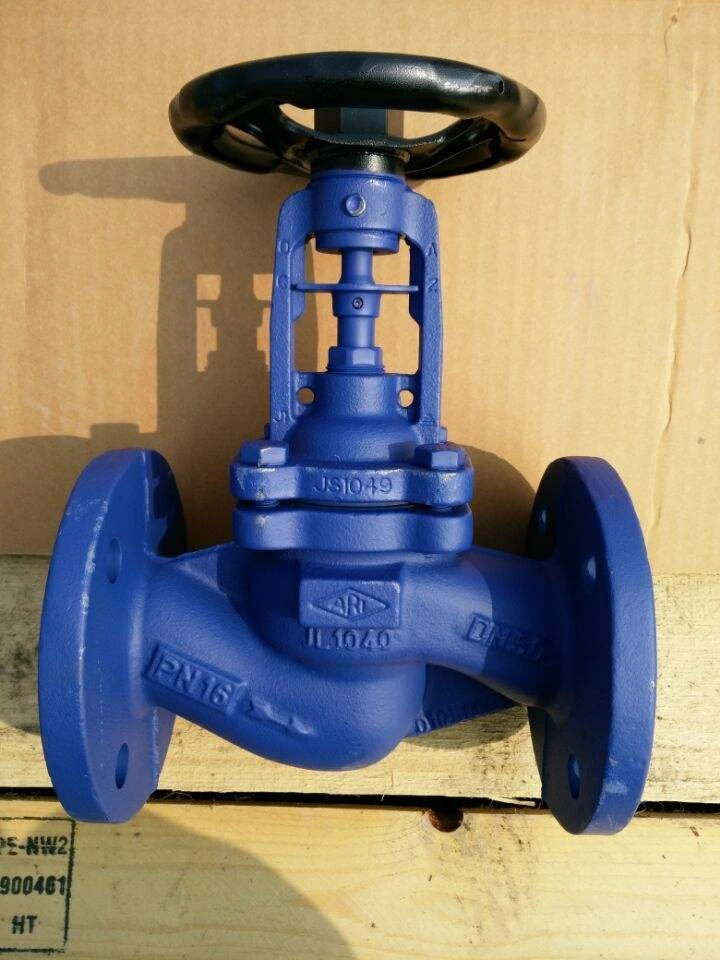
valve for sale
Understanding the Importance of Quality Valves for Sale Expert Insights For those heavily invested i
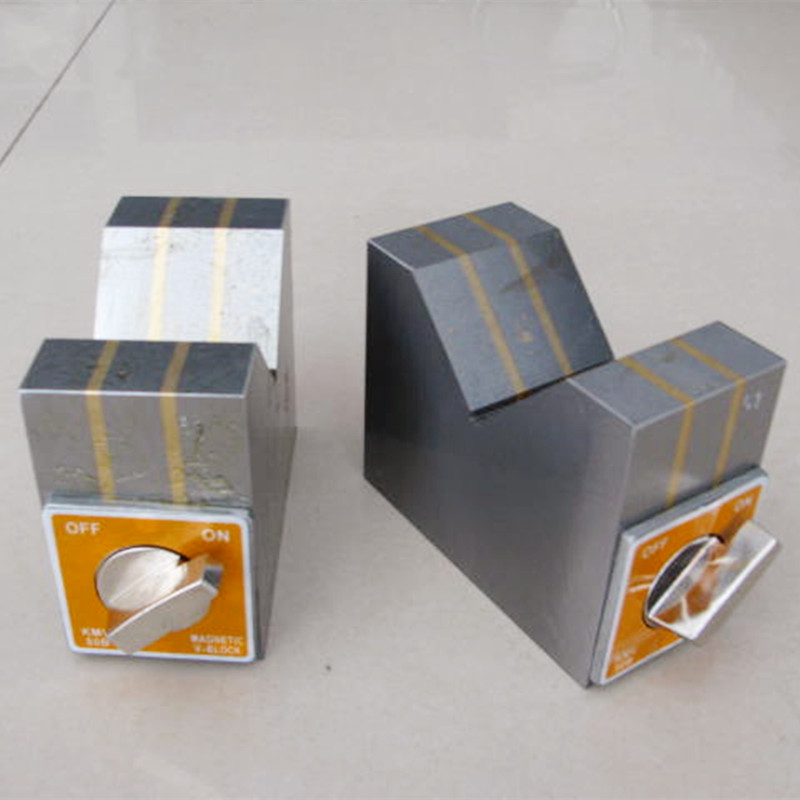
Water Valve Fails to Close Properly Leading to Leakage Issues and Concerns
Troubleshooting a Water Valve That Won't Shut Off Water valves play a crucial role in home plumbing

Valve Solutions for Industrial Applications _ Precision Engineering & Innovation
The Evolution of Valve Technology in Modern Industries In recent years, valve technology has become
 English